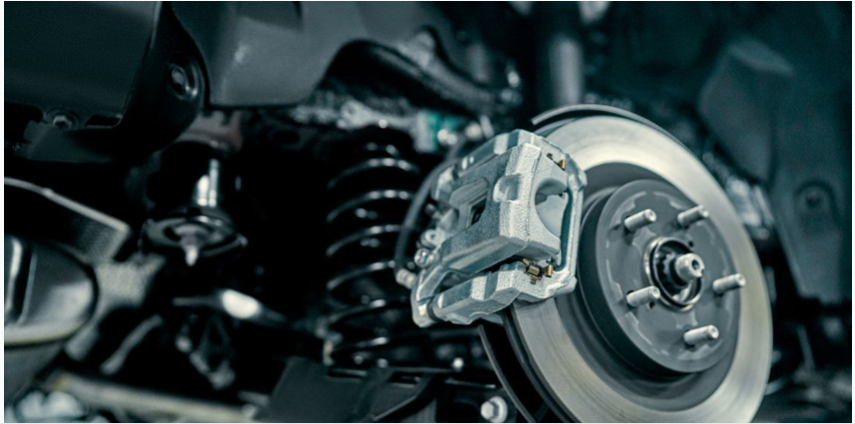
Brake wear sounds alarming until you remember that brakes are designed around friction. Every time you press the pedal in your Toyota, components in the braking system convert the vehicle's movement into heat. Some parts inevitably wear as a result. For drivers around Denison with a RAV4, Tundra, Corolla Cross, or another Toyota, recognizing those changes can tell you when it's time to arrange an inspection.
Friction Comes with a Cost
Brake pads press against the rotors to slow the vehicle. The friction material on those pads gradually wears away, which means brake pads are consumable components rather than parts expected to last for the life of the vehicle. How quickly they wear depends heavily on use. Frequent stop-and-go driving can demand more from the brakes than steady highway travel. Vehicle weight, towing, terrain, driving habits, and previous maintenance also influence wear. A Tundra regularly pulling a trailer may therefore have a very different brake history from a Corolla Cross covering long stretches of highway. This is why mileage alone isn't particularly good at telling you how much brake material remains.
Squealing Is Worth Investigating
Brake noise can be useful information. Some brake pads use wear indicators designed to create an audible warning as the friction material approaches its replacement point. Persistent squealing during braking can therefore be a reason to have the system inspected. Grinding is more concerning and deserves prompt attention. It can indicate significant component wear or another braking-system problem. Neither sound should be diagnosed exclusively from the driver's seat. Brake noise can have several causes, and an inspection can determine what is happening before parts are replaced unnecessarily.
Changes at the Pedal Tell You Something Too
Your right foot becomes surprisingly good at learning how a familiar vehicle behaves. If the brake pedal suddenly feels softer, travels farther, pulses during braking, or responds differently than you're accustomed to, have the system inspected. The same applies if the vehicle begins pulling during stops or braking performance seems to have changed. A longer stopping distance can be particularly difficult to judge accurately because road surface, tires, weather, vehicle load, and speed all influence how quickly a vehicle stops. Still, an obvious change in braking response shouldn't be dismissed. The useful principle is simple: if your Toyota starts doing something during braking that it didn't do before, find out why.
Inspection Beats an Arbitrary Mileage Number
There isn't one replacement interval that fits every set of brake pads. Rather than assuming brakes require replacement at a specific mileage, follow the inspection and maintenance guidance for your particular Toyota. Your owner's manual and maintenance information should be the starting point. If you tow, spend substantial time in heavy traffic, or drive in conditions that place additional demands on the brakes, those habits are worth discussing with your service technician. And don't wait for a scheduled maintenance visit when a warning light appears or braking behavior has already changed. The calendar doesn't know what the pedal is doing.
Parts Need to Match the Vehicle
When brake components do require replacement, fit and specification are important. Genuine Toyota brake components are designed for specific Toyota applications and provide an original-equipment option for owners who want replacement parts engineered around their vehicle. Brake service itself should also look beyond whichever component appears worn first. Pads, rotors, fluid, calipers, and related hardware operate together, and a technician can inspect the system to determine what needs attention. That approach is more useful than assuming every squeak means new pads or every vibration means new rotors.
Brakes Aren’t the Place for Guesswork
Platinum Toyota of Texoma near Denison can help Toyota owners with brake inspections, routine maintenance, Genuine Toyota parts, and other dealership service. If your brakes have started behaving differently, schedule an inspection rather than waiting for the symptoms to become more pronounced.