

Platinum Toyota of Texoma

Blog / 2026 Toyota RAV4

2026 Toyota RAV4 Hybrid vs. 2026 Honda CR-V Hybrid: A Side-by-Side Comparison

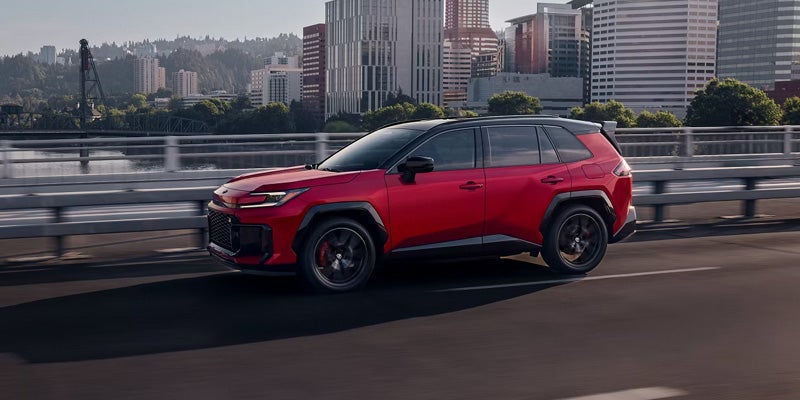
Red Toyota SUV driving on a city bridge with an urban skyline in the background.

Hybrid SUVs have become remarkably good at everything. They sip fuel, carry an entire family's weekend plans, and quietly go about their business with very little drama. The downside? They also start to look suspiciously similar on a spec sheet.

The 2026 Toyota RAV4 Hybrid and 2026 Honda CR-V Hybrid are a perfect example. They're aimed at the same buyer, promise nearly identical efficiency, and occupy almost exactly the same footprint. Dig a little deeper, though, and their personalities begin to separate.

Power, Efficiency, and Everyday Driving

Toyota gives the RAV4 Hybrid a noticeable performance advantage. Its 2.5L 4-cylinder engine and dual electric motors produce a combined 219 hp, with electronic on-demand AWD standard across the lineup. EPA estimates reach up to 39 mpg city and 37 mpg highway, allowing drivers to spend less time at the pump without sacrificing capability.

The Honda CR-V Hybrid counters with a 2.0L 4-cylinder hybrid system producing 204 hp. It's smooth, refined, and impressively efficient, earning EPA estimates of up to 43 mpg city and 36 mpg highway on FWD models, while AWD versions achieve up to 40 mpg city and 34 mpg highway. The CR-V Hybrid squeezes out slightly better city fuel economy in certain configurations, but the RAV4 Hybrid delivers stronger acceleration and standard AWD without asking buyers to move up the trim ladder.

Capability Beyond the Commute

Here's where the differences become more practical. The RAV4 Hybrid is rated to tow up to 3,500 lbs. properly equipped, enough for a pair of personal watercraft, a lightweight utility trailer, or camping equipment. It's not a tow rig, but it's capable of handling recreational duties that many compact SUVs simply aren't designed for. The CR-V Hybrid isn't rated for towing in North America, making it more focused on passenger comfort and fuel efficiency than weekend utility. For many buyers, that distinction alone answers the comparison.

Cargo Space: Bigger Isn't Always Better

Cargo numbers are closer than you might expect. The RAV4 Hybrid provides up to 69.8 cu. ft. of cargo space with the rear seats folded, along with a wide, square cargo opening that's well suited for luggage, coolers, and bulky gear.

The CR-V Hybrid offers a slight advantage in overall volume, expanding to approximately 76.5 cu. ft. with the rear seats folded. It also features an impressively low load floor that makes loading heavier items easier. If maximum cargo capacity is the priority, the CR-V takes a narrow win. If flexibility and utility matter just as much, the RAV4’s layout remains exceptionally practical.

Technology That Works Instead of Showing Off

Neither SUV tries to overwhelm you with gimmicks. The RAV4 Hybrid includes Toyota Safety Senseâ„¢ as standard, bringing together Pre-Collision System with Pedestrian Detection, Lane Departure Alert, Lane Tracing Assist, Dynamic Radar Cruise Control, and Automatic High Beams. Toyota's connected services also allow owners to access available remote functions, vehicle status information, and roadside assistance through their smartphone.

The CR-V answers with Honda Sensing®, offering its own suite of advanced driver-assistance technologies and an intuitive infotainment system that's easy to learn. Both SUVs support modern smartphone integration and deliver the everyday technology most buyers use. It's less of a technology arms race and more of a difference in execution.

Which Hybrid SUV Fits Texoma Drivers?

The Honda CR-V Hybrid is difficult to criticize. It's comfortable, spacious, economical, and thoughtfully designed. The Toyota RAV4 Hybrid simply asks a little more of itself. It produces more horsepower, comes standard with AWD, can tow when needed, and still returns excellent fuel economy. That broader range of capability makes it feel ready for more than just the daily commute, whether you're heading across Denison for work or escaping Texoma for the weekend. Drivers comparing compact hybrid SUVs should explore our available Toyota Hybrid SUV inventory to experience the differences firsthand.

Experience the Difference at Platinum Toyota of Texoma

Specifications tell part of the story, but the real difference becomes clear from behind the wheel. Visit us in Denison, TX, to compare the 2026 Toyota RAV4 Hybrid, explore available trims, and discover why they’re one of the most versatile hybrid SUVs on the road today. Schedule a test drive online today!
Posted in:

Related Posts

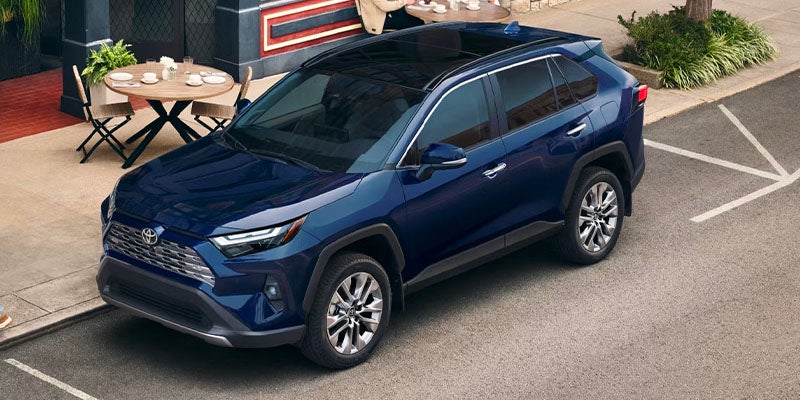
2026 Navy Blue Toyota RAV4 parked in front of cafe

2026 Toyota RAV4 Goes Hybrid‑Only: What Buyers Need to Know

The 2026 Toyota RAV4 is making waves by transitioning to an all-hybrid lineup. This bold move reflects Toyota's commitment to sustainability and innovation, offering drivers a perfect blend of efficiency, performance, and cutting-edge technology. For buyers in Denison, Texas, this shift means access to a versatile SUV that meets modern demands without compromising on power or style. As hybrid technology becomes increasingly popular, the 2026 RAV4 stands out as a leader in its class. Let’s explore what makes this model a must-have for eco-conscious drivers and adventure seekers alike. Performance Meets Efficiency The 2026 Toyota RAV4’s hybrid-only design doesn’t just reduce emissions—it enhances performance. Equipped with Toyota’s advanced hybrid powertrain, the RAV4 delivers impressive acceleration and smooth handling while maintaining exceptional fuel efficiency. It delivers a solid 203 hp and 184 lbs.-ft. of torque while giving you 47 MPG in the city and 40 on the highway. It brings rugged capability too, especially in its Woodland Trim featuring all-terrain tires, raised roof rails with cross bars, all-wheel drive, and integrated fog lights for dim trails. Wherever the day takes you, this SUV offers a dynamic driving experience tailored to diverse lifestyles. For Denison, TX drivers who value both power and sustainability, the RAV4’s hybrid system provides the best of both worlds. Its electric motor works seamlessly with the gasoline engine to optimize energy use, ensuring you get the most out of every drive. more Read the rest of this entry Advanced Features for Modern Drivers The 2026 Toyota RAV4 is packed with innovative features designed to elevate your driving experience. From its intuitive infotainment system to advanced safety technologies, this SUV is built to keep you connected and protected on the road. Key highlights include: - A user-friendly 10.5” touchscreen interface with wireless smartphone integration. - Toyota Safety Sense™ suite, offering features like Adaptive Cruise Control, Automatic Emergency Braking, and Lane Departure Alert. - Ample cargo space at up to 37.8 cu. ft. and flexible seating configurations for ultimate convenience. These features make the RAV4 an excellent choice for families, commuters, and adventurers in Denison, TX who need a reliable vehicle that adapts to their needs. Why Hybrid-Only Matters Toyota’s decision to make the 2026 RAV4 hybrid-only isn’t just about reducing environmental impact—it’s about providing long-term value to drivers. Hybrid vehicles often have lower maintenance costs and better resale value compared to traditional gas-powered models. Additionally, they offer significant savings at the pump, making them an economical choice for daily driving. For buyers in Denison, TX, choosing a hybrid vehicle like the RAV4 means investing in a future-proof option that aligns with evolving automotive trends. It’s a smart choice for those who want to stay ahead of the curve while enjoying the benefits of hybrid technology today. Explore the 2026 Toyota RAV4 in Denison, TX The 2026 Toyota RAV4’s transition to an all-hybrid lineup marks an exciting step forward in automotive innovation. With its blend of performance, efficiency, and advanced features, this SUV is a standout choice for drivers in Denison, TX who want a vehicle that meets modern demands while preparing for the future. Visit Platinum Toyota of Texoma today to learn more about the 2026 Toyota RAV4 and take it for a test drive. Discover why this hybrid-only SUV is setting new standards in its class!

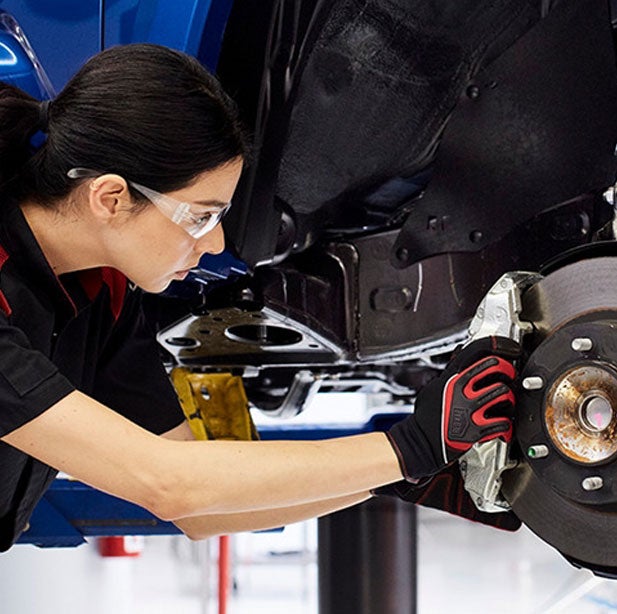
Close-up view of vehicle brake system showing brake rotor, caliper, and suspension components.

Brake Wear 101: Signs Your Toyota Needs Service

Brake wear sounds alarming until you remember that brakes are designed around friction. Every time you press the pedal in your Toyota, components in the braking system convert the vehicle's movement into heat. Some parts inevitably wear as a result. For drivers around Denison with a RAV4, Tundra, Corolla Cross, or another Toyota, recognizing those changes can tell you when it's time to arrange an inspection. Friction Comes with a Cost Brake pads press against the rotors to slow the vehicle. The friction material on those pads gradually wears away, which means brake pads are consumable components rather than parts expected to last for the life of the vehicle. How quickly they wear depends heavily on use. Frequent stop-and-go driving can demand more from the brakes than steady highway travel. Vehicle weight, towing, terrain, driving habits, and previous maintenance also influence wear. A Tundra regularly pulling a trailer may therefore have a very different brake history from a Corolla Cross covering long stretches of highway. This is why mileage alone isn't particularly good at telling you how much brake material remains. Squealing Is Worth Investigating Brake noise can be useful information. Some brake pads use wear indicators designed to create an audible warning as the friction material approaches its replacement point. Persistent squealing during braking can therefore be a reason to have the system inspected. Grinding is more concerning and deserves prompt attention. It can indicate significant component wear or another braking-system problem. Neither sound should be diagnosed exclusively from the driver's seat. Brake noise can have several causes, and an inspection can determine what is happening before parts are replaced unnecessarily. Changes at the Pedal Tell You Something Too Your right foot becomes surprisingly good at learning how a familiar vehicle behaves. If the brake pedal suddenly feels softer, travels farther, pulses during braking, or responds differently than you're accustomed to, have the system inspected. The same applies if the vehicle begins pulling during stops or braking performance seems to have changed. A longer stopping distance can be particularly difficult to judge accurately because road surface, tires, weather, vehicle load, and speed all influence how quickly a vehicle stops. Still, an obvious change in braking response shouldn't be dismissed. The useful principle is simple: if your Toyota starts doing something during braking that it didn't do before, find out why. Inspection Beats an Arbitrary Mileage Number There isn't one replacement interval that fits every set of brake pads. Rather than assuming brakes require replacement at a specific mileage, follow the inspection and maintenance guidance for your particular Toyota. Your owner's manual and maintenance information should be the starting point. If you tow, spend substantial time in heavy traffic, or drive in conditions that place additional demands on the brakes, those habits are worth discussing with your service technician. And don't wait for a scheduled maintenance visit when a warning light appears or braking behavior has already changed. The calendar doesn't know what the pedal is doing. Parts Need to Match the Vehicle When brake components do require replacement, fit and specification are important. Genuine Toyota brake components are designed for specific Toyota applications and provide an original-equipment option for owners who want replacement parts engineered around their vehicle. Brake service itself should also look beyond whichever component appears worn first. Pads, rotors, fluid, calipers, and related hardware operate together, and a technician can inspect the system to determine what needs attention. That approach is more useful than assuming every squeak means new pads or every vibration means new rotors. Brakes Aren’t the Place for Guesswork Platinum Toyota of Texoma near Denison can help Toyota owners with brake inspections, routine maintenance, Genuine Toyota parts, and other dealership service. If your brakes have started behaving differently, schedule an inspection rather than waiting for the symptoms to become more pronounced.

Gray Toyota Grand Highlander SUV towing a personal watercraft trailer on a forest-lined road.

2026 Toyota Grand Highlander vs. 2026 Highlander: Which 3-Row SUV Fits Your Family?

Finding the ideal family vehicle often requires comparing the best options available. If you need a capable three-row Toyota SUV, you have two strong contenders: the 2026 Toyota Grand Highlander and the 2026 Highlander. Both provide exceptional comfort and reliability for daily commuting and weekend adventures. Understanding their differences helps you make a confident decision before reaching out to Platinum Toyota in Denison, TX for a test drive. What Sets the 2026 Toyota Grand Highlander Apart A 2026 Toyota Grand Highlander vs. 2026 Highlander comparison naturally starts with size. The Grand Highlander measures 201.4" in length and offers a significantly larger cabin. Passengers enjoy more legroom in the third row, and you gain extra cargo space for hauling gear on long road trips. The Grand Highlander also provides powerful engine upgrades. Buyers can choose a standard 2.4-L turbocharged four-cylinder engine or select the HYBRID MAX powertrain. This advanced setup pairs a 2.4-L turbo engine with electric motors to deliver robust acceleration. Families needing generous interior space and strong performance will appreciate everything the Grand Highlander offers. What the 2026 Highlander Brings to the Table The 2026 Highlander maintains its status as a top choice by delivering a well-balanced mix of technology and practicality. Its slightly smaller footprint makes navigating tight parking spaces and suburban driveways much easier. Toyota offers the Highlander with standard gas and hybrid powertrains, giving drivers flexibility for fuel efficiency. Most trim levels come equipped with a large touchscreen display, Toyota Safety Sense©, wireless Apple CarPlay©, and Android Auto©. Available upgrades include a panoramic moonroof and heated front seats. The 2026 Highlander perfectly suits families wanting a capable three-row SUV without the larger exterior dimensions. Comparing Cargo Space and Interior Features The Grand Highlander clearly wins in total interior volume. Third-row passengers receive noticeably more legroom, making it much more comfortable for adults and older children. Both models feature a modern cabin design packed with high-quality materials and intuitive technology. The Grand Highlander delivers a slightly more premium feel in upper trims, but the standard Highlander provides ample comfort for daily family use. Which One Is the Right Fit for Your Family? Your final choice depends on your daily driving habits. If you need maximum interior space, high towing capacity, and a potent hybrid setup, you should choose the Grand Highlander. If you prefer a more compact SUV that excels in everyday usability, the Highlander makes an excellent choice. Both options offer exceptional reliability and include complimentary maintenance via ToyotaCare©. Find Your Next SUV at Platinum Toyota Comparing the 2026 Toyota Grand Highlander vs. 2026 Highlander in person gives you the best perspective. Our knowledgeable team at Platinum Toyota in Denison, TX stands ready to answer your questions and help you explore both models. Stop by the dealership or browse our digital showroom today to find the perfect three-row SUV for your lifestyle.