

Platinum Toyota of Texoma

Blog / Buy Used Toyota Vehicles

How to Choose the Right Used Toyota Truck: Tacoma vs. Tundra for 2026 Buyers

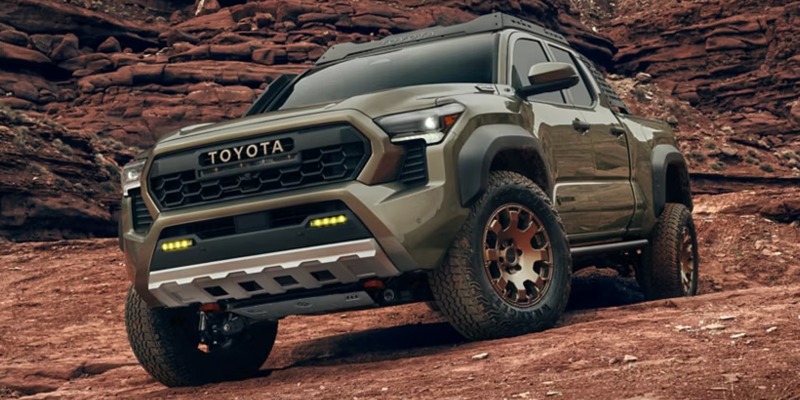
Toyota Tacoma pickup truck navigating rocky off-road terrain in a desert landscape.

When Denison, Texas truck drivers are ready to buy a used Toyota truck, the debate often comes down to the Tacoma or the Tundra. Which one makes more sense for your lifestyle, though? It’s a common question buyers face, and the answer really comes down to how you plan to use the truck. Whether you're hauling equipment, heading off-road, or just need a reliable daily driver, understanding what each model offers can help.
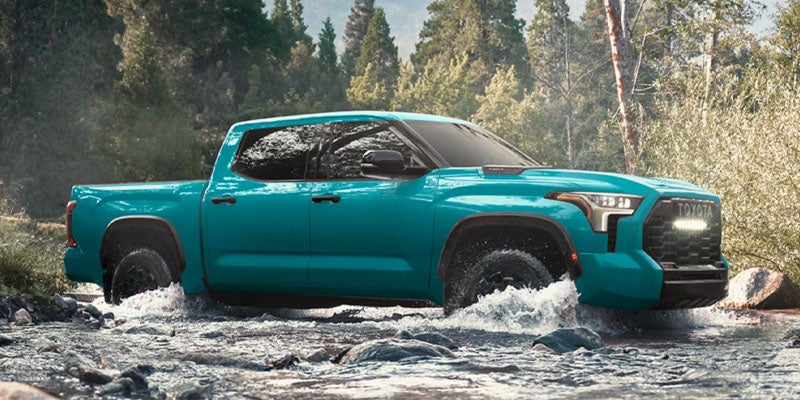
Blue Toyota Tundra truck driving through a shallow river surrounded by trees.

What Makes the Tundra Stand Out

When it comes to raw capability, the 2026 Toyota Tundra is built to impress. The i-FORCE twin-turbo V6 engine delivers 389 hp and 479 lbs.-ft. of torque, while the i-FORCE MAX hybrid powertrain goes above and beyond, delivering 437 hp and 583 lbs.-ft. of torque. That kind of output translates to a maximum towing capacity of 12,000 lbs.—ideal for those who regularly haul trailers, boats, or heavy equipment.

The Tundra also comes with a composite bed available in 3 lengths: 5.5-ft., 6.5-ft., and 8.1-ft., along with a maximum payload of 1,850 lbs. It's a full-size truck designed for serious work, and that shows in everything from its multi-link rear suspension to its innovative 14” touchscreen and premium interior that caters to the ultimate workhorse—you.

How the Tacoma Fits Into the Picture

The midsize Toyota Tacoma has a reputation for durability and off-road versatility. It's more maneuverable than the Tundra and typically comes at a lower price point on the used market, which makes it appealing to first-time truck buyers or those with lighter hauling needs of up to 6,500 lbs.

The Tacoma shines in situations where agility matters—think weekend trail runs, urban commutes, or light payload work. Its smaller footprint makes parking and navigation easier, and its long-running reliability means used examples tend to hold up well over time. If you're not regularly towing heavy loads, the Tacoma may be all the truck you actually need.

When comparing how to choose the right used Toyota truck between the Tacoma and Tundra, think honestly about your hauling and towing needs before prioritizing features or trim levels.

Key Differences to Consider Before You Buy

Choosing between these two trucks comes down to a few practical questions. How much do you plan to tow? The Tundra's higher towing and payload ratings make it the clear choice for heavier workloads. How often will you go off-road? Both trucks offer capable off-road configurations, but the Tundra's TRD Pro trim, armed with FOX® shocks, a 1.1” front lift, and all-terrain tires, to name but a few enhancements, takes things to another level.

Cabin size is another factor. The Tundra's available CrewMax cab offers more rear legroom, which matters if you're regularly carrying passengers. The Tacoma's cab options are comfortable but more compact by comparison.

Budget plays a role too. On the used market, a comparable Tacoma will generally cost less than a similarly equipped Tundra, so if price is a significant factor, the Tacoma gives you more flexibility.

Making the Right Call for Your Needs

Knowing how to choose the right used Toyota truck really comes down to matching the vehicle to your day-to-day demands. If you need maximum towing power, a spacious cab, and a feature-rich interior, a used Tundra is worth the investment. If you want a capable, nimble, and affordable truck for lighter use, the Tacoma delivers real value.

Both models have earned strong reputations for reliability, and either one can serve you well for years to come. Take time to test drive both, review the specifications carefully, and consider how each truck fits your actual routine - not just your wish list. For shoppers throughout Denison, TX, comparing these two Toyota trucks side by side is the best way to walk away confident in your decision. At Platinum Toyota of Texoma, we’re excited to walk through your options with you and send you home in the truck that will help you make the most of every moment behind the wheel.

Posted in:

Related Posts

Family of three shaking hands with a car salesperson inside a car dealership showroom, surrounded by parked vehicles, suggesting a vehicle purchase or agreement discussion.

Used Toyota Buying Tips for 2026: What to Check Before You Buy

If you're in the market for a reliable vehicle, you could probably use some tips for buying a used Toyota. In 2026, we all need reliability, dependability, and safety that doesn’t leave us wondering. Toyota has long been known for building vehicles that hold up well over time, which makes the used market an appealing option for budget-conscious shoppers who still want quality and dependability. Whether you're eyeing a pre-owned Camry, Tacoma, RAV4, or Tundra, knowing what to look for before you sign anything can save you from costly surprises down the road. Here's what every smart shopper in Denison, Texas should keep in mind. Check the Vehicle History Report First One of the most important used Toyota buying tips is to always request a vehicle history report before anything else. This document tells you a lot about the car's past, including any reported accidents, title issues, odometer discrepancies, and previous ownership history. A clean history report doesn't guarantee a perfect vehicle, but it does give you a clearer picture of what you're dealing with. If a seller or dealership is hesitant to provide this information, that's a red flag worth taking seriously. Inspect the Exterior and Interior Carefully Walk around the entire vehicle and look for any uneven panel gaps, mismatched paint, or signs of rust, especially around the wheel wells and undercarriage. These can be indicators of past body repairs or structural concerns that may not show up on a history report. Inside the cabin, check the condition of the seats, dashboard, and all control surfaces. Test every button, knob, and touchscreen to make sure everything functions as it should. Pay attention to any unusual odors, which can sometimes signal water damage or other hidden issues. more Look Under the Hood and Review Maintenance Records Following used Toyota buying tips for 2026 means going beyond what you can see from the outside. Pop the hood and look for any obvious signs of leaks, corrosion around the battery terminals, or hoses that appear cracked or worn. Reviewing the vehicle's maintenance records is equally important. A well-documented service history shows that the previous owner kept up with oil changes, tire rotations, and other routine care. Toyota vehicles are built to last, but consistent maintenance plays a big role in how long they actually do. Take It for a Test Drive It’s easy to get excited about a car, but don’t just say YES. Never skip the test drive. This is your opportunity to evaluate how the vehicle actually performs in real-world conditions. Pay attention to how the engine responds during acceleration, whether the brakes feel firm and responsive, and if the steering pulls in any direction. Listen for any unusual noises such as rattles, clunks, or squealing that might suggest mechanical issues. Test the air conditioning, heating system, and any driver-assistance features the vehicle may have. The test drive is one of the most telling parts of the used Toyota buying process. Have It Inspected by a Qualified Technician Even if everything looks and feels right, having an independent pre-purchase inspection done by a qualified technician is always a wise step. A trained eye can identify wear patterns or mechanical concerns that an average buyer might miss. Many dealerships serving drivers in Denison, TX, welcome this kind of inspection because it builds trust and transparency in the transaction. If a seller discourages an independent inspection, consider that a warning sign. Understand the Certified Pre-Owned Option Toyota's Certified Pre-Owned program takes much of the guesswork out of buying a used vehicle. CPO vehicles go through a thorough multi-point inspection—and anything that doesn’t meet standards needs to be repaired or replaced before every being offered for sale. These vehicles come with an extended limited warranty, and documentation, giving you some of the reliability associated with buying new without the new-vehicle price tag. For shoppers researching used Toyota buying tips for 2026, the CPO route can be an excellent middle ground between a standard used vehicle and a brand-new model. They Might Seem Straightforward—and They Are Most of these tips probably aren’t foreign to you, but it never hurts to remember them in the moment. Buying a car is exciting and it’s easy to overlook things that you’ll regret not asking about or testing later. Armed with these used Toyota buying tips for 2026, you're in a much better position to make a confident, informed decision. From reviewing the vehicle history and conducting a thorough inspection to taking a proper test drive and exploring certified pre-owned options, each step helps protect your investment. If you're ready to explore your options, the team at Platinum Toyota of Texoma is here to help drivers throughout Denison, TX, find a pre-owned vehicle that fits their needs and budget. Visit our website to browse available inventory and take the next step toward your next great vehicle.

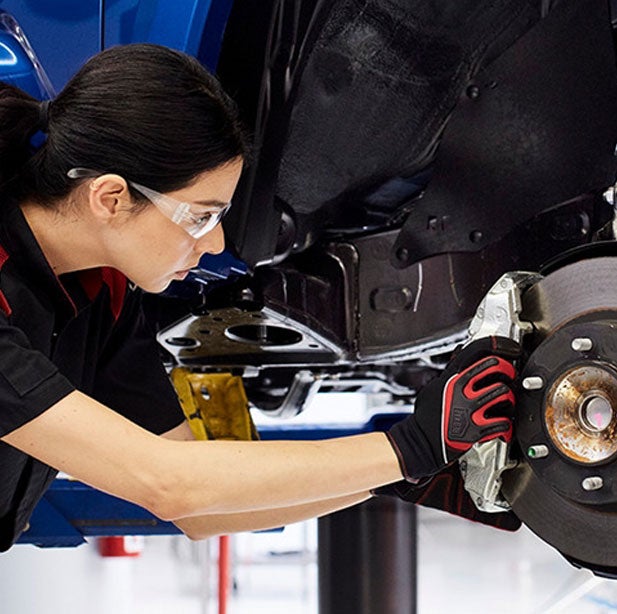
Automotive technician inspecting a vehicle brake assembly during service.

Toyota Service Schedule 2026: What Drivers Should Prioritize

Keeping up with routine maintenance is one of the best things you can do for your vehicle. If you're driving a 2026 Toyota, understanding the Toyota service schedule 2026 helps you stay ahead of potential issues and protect your investment for the long haul. Whether you're commuting daily or heading out on weekend adventures around Denison, Texas, sticking to a consistent service routine makes a real difference in how your vehicle performs—and how long it lasts. Oil Changes and Fluid Checks The Toyota service schedule 2026 starts with one of the most fundamental tasks—regular oil changes. Depending on whether your Toyota uses conventional or synthetic oil, intervals can vary, but checking your owner's manual is always the best starting point. In general, 10,000 miles or 12 months is the right time to get it done, but if you drive in extreme weather and terrains, you’ll want to cut those numbers in half. Fresh oil keeps your engine running smoothly and helps prevent unnecessary wear. Beyond oil, don't overlook other essential fluids like coolant, brake fluid, and transmission fluid. These play a critical role in keeping your vehicle's systems functioning properly, especially during temperature extremes. Tire Rotation and Brake Inspection Tires and brakes are two of the most safety-critical components on any vehicle. As part of the Toyota service schedule 2026, tire rotations should happen regularly to ensure even tread wear across all four tires. Uneven wear can affect handling, overall ride quality, and fuel efficiency—a hot spot for everyone. more And of course, brake inspections are equally important. This is your first safety system, and your most crucial. Pads, rotors, and brake lines should all be evaluated at scheduled intervals. If you notice squealing, sponginess, or grinding, get your Toyota looked at as soon as possible. Catching early signs of brake wear can prevent more costly repairs down the road and keep you safe on the highway. Multi-Point Inspection and Filter Replacements A comprehensive multi-point inspection is a smart way to catch small problems before they grow. During this type of service visit, trained technicians review key components throughout the vehicle—from the battery and belts to lights and hoses. Filter replacements are also a priority in the Toyota service schedule 2026. Engine air filters and cabin air filters should be checked and replaced as needed. A clean engine air filter supports better performance, while a fresh cabin air filter keeps the air inside your vehicle clean and comfortable. ToyotaCare and Scheduled Maintenance Benefits One advantage of owning a new Toyota is ToyotaCare, a complimentary maintenance plan that covers initial normal factory scheduled service and 24-hour Roadside Assistance. This program is designed to give new Toyota owners peace of mind right from the start. Taking advantage of ToyotaCare means you can follow the Toyota service schedule 2026 without the added stress of unexpected service costs during your first ownership period. It is a benefit worth using fully. Staying on Track with Your Service Appointments Consistency is key when it comes to vehicle maintenance. Setting reminders and keeping records of completed services helps you stay organized and ensures nothing gets overlooked. Many Toyota dealerships offer online scheduling tools that make it easy to book appointments at a time that works for you. Drivers in Denison, Texas have access to service professionals who are trained specifically on Toyota vehicles. That expertise matters when it comes to following the Toyota service schedule 2026 with precision and care. Visit Us for Your 2026 Toyota Service Needs If your Toyota is due for routine maintenance, now is a great time to schedule an appointment. Staying current with the Toyota service schedule 2026 protects your vehicle's performance, reliability, and resale value. Our team at Platinum Toyota of Texoma is here to help you every step of the way—from oil changes to full inspections—so you can drive comfortably and confidently all year long.

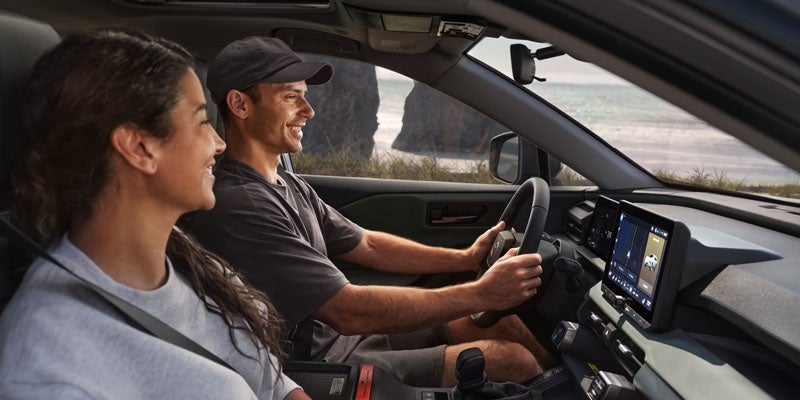
Passengers enjoying a drive inside a modern Toyota vehicle with touchscreen technology.

Toyota Safety Sense™ 3.0 Explained: What's New for 2026 Models

If you've been shopping for a new Toyota around Denison, Texas, you've definitely come across the term Toyota Safety Sense ™ 3.0. It's one of the most talked-about standard safety suites in the industry, and for good reason. The 2026 model year brings meaningful updates to this system that are worth understanding before you make your next vehicle decision. What Is Toyota Safety Sense™ 3.0? Toyota Safety Sense™ 3.0 is Toyota's bundled suite of active safety and driver assistance technologies that comes standard on most new Toyota models. The 3.0 version builds on earlier generations with an upgraded forward-facing camera, an improved radar sensor with a longer and wider field of view, and enhanced detection capabilities. Certain vehicles also support Over-the-Air (OTA) software updates for future improvements.   At its core, Toyota Safety Sense™ 3.0 is designed to help drivers avoid or reduce the severity of collisions. It uses a combination of cameras and radar sensors to monitor the road ahead and alert or assist the driver when a potential hazard is detected. Key Features in the Updated System Toyota Safety Sense™ 3.0 introduces several enhancements that make the system more capable in real-world driving conditions. The Pre-Collision System (PCS) now detects motorcyclists in certain circumstances and offers enhanced intersection support, including improved detection of oncoming vehicles in more than one lane while turning and vehicles approaching from a lateral direction. This is a notable upgrade for everyday driving situations where hazards aren't always coming from directly ahead. more Lane Departure Alert now features enhanced lane recognition, including the ability to detect certain 3-dimensional objects such as guard rails. Lane Tracing Assist also adds steering support to help provide more space when passing objects in adjacent lanes under certain conditions. Automatic High Beams (AHB) give you the visibility you want without blinding other drivers. Dynamic Radar Cruise Control (DRCC) now offers 4 cruise distance settings and enhanced vehicle detection to help provide smoother, more natural speed adjustments. How It Compares to Previous Versions Earlier versions of Toyota Safety Sense™ were already strong performers, but the 3.0 update adds several important enhancements. Toyota Safety Sense™ 3.0 expands Pre-Collision System detection by adding motorcyclist detection in certain circumstances and improving intersection support for additional turning scenarios. These enhancements expand the range of driving situations in which the system can provide driver assistance. The lane support features also received attention. Toyota Safety Sense™ 3.0 enhances lane support with improved lane recognition, including the ability to identify certain three-dimensional roadside objects such as guard rails. These refinements further enhance Toyota's active safety technologies and driver assistance systems. Which 2026 Toyota Models Include It? Toyota Safety Sense™ 3.0 is standard on select 2026 Toyota models. The 2026 Camry, Tacoma, Corolla Cross, and 4Runner are among the vehicles that come equipped with this updated safety suite. On models where Toyota Safety Sense™ 3.0 is standard, drivers receive these features without adding an optional safety package. This approach makes Toyota's latest driver assistance technologies available across a wide range of select Toyota vehicles. Whether you're drawn to a practical sedan, a rugged truck, or a versatile SUV, you're likely to find this system included. Explore Toyota Safety Sense™ 3.0 at Platinum Toyota of Texoma Toyota Safety Sense™ 3.0 represents a thoughtful evolution of an already capable safety system. With enhanced obstacle detection, refined lane support, and improved Dynamic Radar Cruise Control, many 2026 Toyota models offer additional driver assistance technologies designed to support everyday driving. Visit Platinum Toyota of Texoma in Denison, TX, to explore Toyota models equipped with Toyota Safety Sense™ 3.0. Our team can explain how each driver assistance feature works and help you compare vehicles to find the Toyota that best fits your driving needs. Schedule a test drive today and experience Toyota's advanced safety technologies firsthand.