

Platinum Toyota of Texoma

Blog

All Denison Toyota Dealer Platinum Toyota of Texoma 2025 Car dealership Car Parts and Accessories Tacoma 2026 Toyota Grand Highlander Camry Highlander Platinum Toyota of Texoma Service RAV4 2026 Toyota Tundra Automotive Design Trends Denison Toyota Service Toyota Vehicles Tundra 2024 2026 Corolla Hybrid 2026 Toyota Camry 2026 Toyota RAV4 Automotive Maintenance Buy Used Toyota Vehicles Denison Used Cars Sienna Toyota Hybrid Lineup Toyota Hybrid vehicles Toyota Models Toyota Safety Sense Toyota Vehicle Care Tips vehicle finance 2026 Toyota 4Runner 2026 Toyota Grand Highlander vs. 2026 Highlander 2026 Toyota Prius 2026 Toyota Sequoia Brake Service Corolla Financing options Grand Highlander Hybrid Battery Care Tips Land Cruiser Lease vs Finance Road Trip Tips for Vehicle Care Toyota Cars Toyota Financing Options Toyota Hybrid Service Toyota loan Toyota Prius Toyota RAV4 Hybrid Toyota safety features Toyota Service Schedule Toyota SUVs Denison TX Toyota Tundra Toyota Vehicle Brakes ToyotaCare Maintenance Toyotathon Trim Levels used 4Runner Used SUV's Used Toyota Buying Tips Used Toyota Hybrids Used Toyota Tacoma Used Toyota Truck Used Toyota Tundra Vehicle Performance
Battery Care Tips

Hybrid Battery Care Tips for Toyota Owners

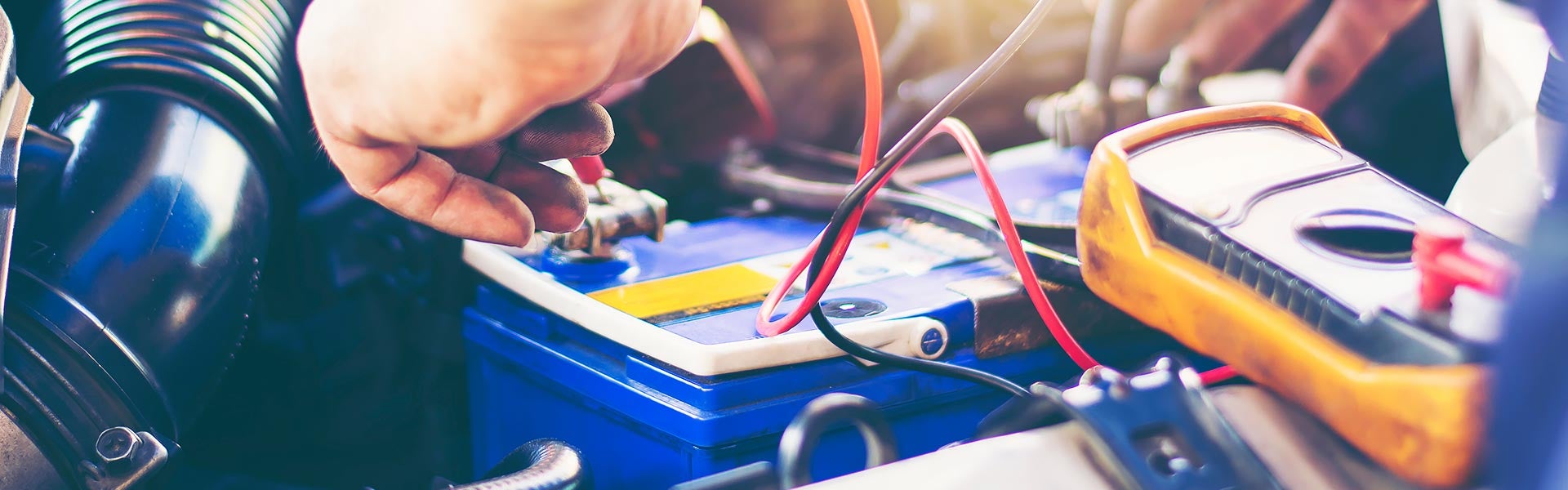
Toyota's hybrid vehicles have earned a strong reputation for reliability and efficiency, and a big part of that reputation comes down to the health of the hybrid battery. If you own a Toyota hybrid in Denison, TX, understanding how to care for your battery can help you get the most out of your vehicle for years to come. These hybrid battery care tips for Toyota owners are straightforward, practical, and easy to put into action. Keep Your Battery Within Its Ideal Temperature Range One of the most important hybrid battery care tips for Toyota owners is managing temperature exposure. Extreme heat and extreme cold can both affect battery performance over time. Whenever possible, park in a shaded area or a garage to reduce heat buildup during summer months. In colder weather, a brief warm-up period before driving can help the battery reach its optimal operating temperature more gradually, which reduces unnecessary strain. Drive Regularly to Maintain Battery Health Hybrid batteries are designed to be used. Extended periods of inactivity can cause the battery's state of charge to drop and may contribute to reduced long-term capacity. If you use your Toyota hybrid every day, you shouldn't have anything to worry about. However, if it sits unused for extended stretches, consider taking it for a short drive every week or two. Consistent use supports balanced charging cycles and overall battery condition. Avoid Draining the Battery Completely Toyota's hybrid system is designed to manage battery charge automatically, but your driving habits still play a role. Frequent aggressive driving that repeatedly pushes the battery to its limits can accelerate wear. Smooth, steady acceleration and careful braking not only improve your experience on the road but also help protect hybrid battery longevity. Regenerative braking - one of the key features in Toyota hybrids - works most effectively when you allow it to engage gradually rather than braking hard at the last moment. Stay Current With Toyota-Recommended Maintenance Routine maintenance is one of the most reliable hybrid battery care tips for Toyota owners. Following the service schedule outlined in your owner's manual ensures that your vehicle's systems - including those that support the hybrid battery - are functioning as intended. During scheduled service visits, technicians can check the battery's health and identify any early signs of concern before they become larger issues. ToyotaCare covers initial factory-scheduled maintenance on new Toyotas, which gives new owners a helpful head start. Watch for Warning Signs Your Toyota will typically alert you if something is off with the hybrid system through dashboard lights. If you notice unusual warning lights, a decrease in fuel economy, or a change in how the vehicle transitions between electric and gas power, have the system inspected right away. Catching potential issues early is always more manageable than addressing them after the fact. Drivers in Denison, TX, can bring their Toyota in for a diagnostic check from the service experts at Platinum Toyota at any time if something doesn't feel right.
Toyota Certified Pre-Owned vehicle

Top 10 Features to Look for in a Used Toyota SUV (RAV4, Highlander, 4Runner)

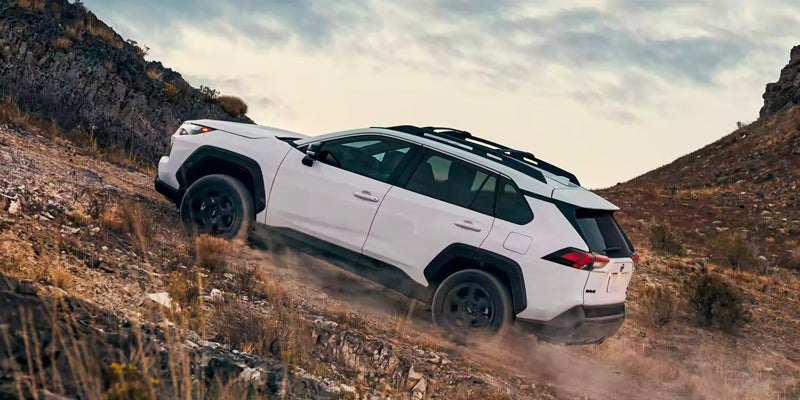
If you're shopping for a used Toyota SUV in Denison, TX, you know you’ll be getting a high-quality vehicle. Models like the RAV4, Highlander, and 4Runner have built strong reputations for reliability, versatility, and long-term value. But not every used SUV is the same. Knowing what to look for can help you drive home with confidence - and avoid surprises down the road. 1. Toyota Safety Sense One of the first things to check when evaluating a used Toyota SUV is whether it includes Toyota Safety Sense. This suite of driver assistance features typically includes Pre-Collision Warning, Automatic Emergency Braking, Lane Departure Alert, And Automatic High Beams. It became standard on most Toyota models starting around 2018, so look for it when checking out RAV4, Highlander, and 4Runner listings. 2. All-Wheel Drive or Four-Wheel Drive Capability Depending on how you plan to use your SUV, the drivetrain is important. The RAV4 and Highlander offer all-wheel drive for added traction in wet or slippery conditions. The 4Runner goes further with a true four-wheel drive system, making it a top choice for drivers who want to take their Toyota off-road. 3. Infotainment and Connectivity A responsive touchscreen ranging from 7 to 12.3 in, Apple CarPlay ®, Android Auto ™, and Bluetooth connectivity are features that are a priority for most drivers. Earlier model years may offer fewer options, but newer used examples - particularly 2019 and up - tend to include more modern technology. This is especially important if you spend a lot of time in the car commuting or running errands. 4. Interior Condition and Seating Configuration Always assess the interior carefully. Look for wear on the seats, condition of the second-row area, and - in the case of the Highlander - if an optional third-row seat is included. Space and comfort vary between trims, so make sure the configuration fits your lifestyle before committing. 5. Engine and Powertrain History Each of these models offers distinct powertrain options across different years. A used RAV4 may come with a 2.5 L four-cylinder engine, while the Highlander has offered both four-cylinder and V-6 options over the years. The 4Runner has long used a 4.0 L V-6. Check maintenance records and ask about any known service history related to the engine or transmission. 6. Towing and Payload Ratings If you plan to tow a trailer, boat, or gear, towing capacity becomes a key feature to look for in a used Toyota SUV. The 4Runner and Highlander generally offer stronger towing ratings than the RAV4, though the RAV4's numbers are still respectable for light-duty needs. Always confirm the specific tow rating for the model year and trim you're considering. 7. Suspension and Ride Quality Used SUVs with higher mileage may show wear in the suspension components, which can affect ride quality and handling. Take the vehicle for a test drive on a variety of road surfaces. Pay attention to any unusual noises, pulling to one side, or roughness over bumps - these could signal components that need attention. 8. Cargo Space and Storage Think about your day-to-day needs. The Highlander offers generous cargo space and multiple storage compartments. The RAV4 balances a compact footprint with a surprisingly practical cargo area. The 4Runner provides a boxy, versatile cargo area that works well for gear-heavy lifestyles. Each has its strengths, so consider which one matches your routine. 9. Available Technology Packages Higher trim levels often include features like a panoramic moonroof, heated front seats, a power liftgate, and a premium audio system. These add comfort and convenience, and they can significantly affect the driving experience. When looking at a used Toyota SUV, check what technology packages were included at the original point of sale. 10. Certified Pre-Owned Status One of the best ways to shop with confidence is to consider a Toyota Certified Pre-Owned vehicle. These vehicles go through a rigorous multi-point inspection and come with added warranty protection. For shoppers in Denison, TX, looking for a used RAV4, Highlander, or 4Runner, certified pre-owned options offer peace of mind that a standard used vehicle may not. Find Your Used Toyota SUV Today Shopping for a used Toyota SUV does not have to feel overwhelming. When you know what features are important for you - from Toyota Safety Sense and drivetrain options to interior condition and certified pre-owned status - the process becomes much more straightforward. Stop by Platinum Toyota or visit us online to explore available inventory and find the right RAV4, Highlander, or 4Runner for your needs.

Toyota 4Runner

2026 Toyota 4Runner vs Ford Bronco: Off-Road Showdown for North Texas

The 4Runner has a long-running reputation for off-road capability. Its body-on-frame construction gives it exceptional durability, while available features like Multi-Terrain Select and Crawl Control help drivers navigate challenging terrain with confidence. The TRD Pro and Trailhunter trim levels are built for serious off-road use, offering features such as specialized off-road suspension components, 33-in. all-terrain tires, and an electronic locking rear differential on applicable trims. The 2.4L i -FORCE engine produces 278 hp and 317 lb -ft of torque, while the available i -FORCE MAX hybrid powertrain produces up to 326 hp and 465 lb -ft of torque. The 4Runner offers a maximum towing capacity of 6,000 lbs. The Ford Bronco is no slouch either. It also uses a body-on-frame setup and an independent HOSS front suspension, which is designed for off-road stability and control. Available features like Trail Control and a front sway bar disconnect give it capability. The Bronco's approach angle and departure angle numbers are competitive, and its GOAT (Goes Over Any Type of Terrain) modes add versatility across different surfaces. The 2.3L EcoBoost I-4 produces 300 hp, while the available 2.7L EcoBoost V6 produces 330 hp. The 3.0L EcoBoost V6 in the Bronco Raptor produces 418 hp. Maximum towing capacity is 3,500 lbs on most Bronco models and 4,500 lbs on the Raptor. That said, the 4Runner's long-standing reputation for durability and Toyota's dealer network may appeal to buyers who prioritize long-term ownership confidence. Everyday Comfort and Interior Experience Off-road performance is important, but you also need a vehicle that works well every day. The 4Runner offers a roomy interior with a straightforward layout, a large touchscreen, and available third-row seating on select trims, making it more practical for families. It seats up to 7 when equipped with the available third row. Cargo space is generous (up to 90.2 cu ft in 2-row models and up to 88.4 cu ft in 3-row models), and visibility is strong thanks to large windows and an upright design. The Bronco leans into a more rugged, adventure-first look inside. Its removable doors and roof panels are fun features, but they also mean the cabin can feel more exposed to wind and noise at highway speeds. Storage is decent, but the 4Runner generally offers more space for passengers and gear. For drivers who want one vehicle that covers everything from grocery runs to weekend trail adventures, the 4Runner tends to offer a more balanced experience day to day. Reliability and Long-Term Value Toyota has built a strong reputation for long-term dependability, and the 4Runner is one of the brand's most celebrated nameplates. ToyotaCare comes standard with every new Toyota and covers normal factory-scheduled maintenance for 2 years or 25,000 miles, whichever comes first. It also includes 24-hour Roadside Assistance for 2 years with unlimited mileage. The Ford Bronco, while capable and enjoyable, has had a shorter track record in its current generation. The current-generation Bronco returned for the 2021 model year, but the official Ford sources reviewed do not provide reliability or parts-and-service wait-time data. This can be a real consideration for drivers in rural North Texas who rely on their vehicles heavily. Which One Is Right for You? The 2026 Toyota 4Runner vs Ford Bronco decision comes down to your priorities. If removable doors and a more aggressive, adventure-focused personality appeal to you, the Bronco delivers a unique experience. But if you want a versatile off-road SUV with available three-row seating, substantial cargo capacity, and strong towing capability, the 4Runner makes a compelling case. Explore the 2026 Toyota 4Runner at Platinum Toyota of Texoma Drivers throughout Denison, TX, and the surrounding region can explore the 2026 Toyota 4Runner lineup at Platinum Toyota of Texoma. Visit our website to browse current inventory and find the trim that fits your lifestyle.

Lease vs Finance

Lease vs Finance: What's Better for Your Next Toyota?

Once you decide that you’re ready to get behind the wheel of a new Toyota in Denison, Texas, one of the first things you’ll need to decide is if you’re going to lease or finance it. There’s no right answer to that question. It really depends on your lifestyle, budget, and how long you plan to keep the vehicle. Understanding the basics of lease vs finance can help you decide what’s going to work best for you. What Does It Mean to Finance a Toyota? Financing means you're taking out a loan to purchase your Toyota outright. You make regular monthly payments, and once the loan is paid off, the car is yours. This is a great option if you plan to keep your Toyota for several years or want the freedom to drive without mileage restrictions. If you put a lot of miles on their vehicle or want to customize it, financing through Toyota Financial Services is often the best choice. You build equity over time, and eventually, you have an asset you can trade in or sell. What Does It Mean to Lease a Toyota? Leasing is more like a long-term rental. You make monthly payments to use the vehicle for a set period - typically two to three years - and then return it or choose to purchase it at the end of the term. Lease payments are generally lower than loan payments because you're only paying for the vehicle's depreciation during the lease period. If you love driving the latest models and plan on upgrading every few years, leasing a Toyota could be a good decision. It's also a solid option if you drive fewer miles per year and prefer lower monthly costs. Key Differences to Consider The core distinction in the lease vs finance conversation comes down to ownership and flexibility. When you finance, you own the vehicle. When you lease, you return it when the term ends. Here are some things to think about before deciding. How much you drive is important when thinking about leasing. Most lease agreements include an annual mileage cap, and going over that limit results in additional fees. If your commute is long or you travel frequently, leasing might not be the best option for you. Customization is another consideration. Leased vehicles typically must be returned in their original condition, which limits your ability to add aftermarket accessories or make modifications. Financing removes that restriction entirely. Which Option Makes More Sense for You? There's no universal answer in the lease vs finance debate - it really depends on you. If you value low monthly payments and always want to drive something new, leasing probably a good route. If you prefer building equity and having no payment once the loan is done, financing is likely the better choice. Toyota's shopping tools, including Build and Price and Search Inventory, make it easy to explore both options side by side. You can also look into exclusive programs like the College Rebate and Military Rebate, which may influence if you purchase or lease. Making the Right Call at Platinum Toyota of Texoma No matter if you lean toward leasing or financing, the team at Platinum Toyota of Texoma is ready to help you find the path that works best for your situation. Our f inance experts can walk you through current offers and help you compare lease vs finance terms on the Toyota models you love most. Stop by or visit us online to get started today.

Automotive sales consultant reviewing vehicle information with customers during a dealership visit.

Getting a Better Toyota APR Starts Before You Buy

APR, or annual percentage rate, represents the yearly cost of borrowing and can include certain fees as well as interest. Getting a competitive APR on a Toyota loan in 2026 depends on several factors, including your credit profile, loan structure, available offers, and lender. For shoppers around Denison, some preparation before visiting the dealership can be useful. Start With Your Credit Report Your credit history is one of the factors lenders may consider when deciding which rate and terms to offer. Check your credit report before applying for financing. Look for inaccurate information and address errors through the appropriate credit-reporting process. If you have existing balances, reducing them when financially practical may also improve your overall credit position. Avoid making financial decisions solely to chase a particular credit score, though. Improving credit can take time, and there's no guarantee that moving a score by a few points will produce a specific APR. The useful part is knowing what lenders will see before they see it. A Down Payment Changes the Amount Borrowed Putting money down reduces the amount you need to finance. For example, if 2 buyers choose identical Toyota models but one finances a smaller amount because of a larger down payment, their loans begin from different positions. The final APR still depends on the lender and application, but the buyer borrowing less has reduced the principal from the start. A trade-in can contribute as well. If your current vehicle has positive equity, that value may be applied toward the purchase. Get both a trade-in appraisal and current loan payoff figure before assuming how much equity you have. If you owe more than the vehicle is worth, the calculation works in the opposite direction. Check Toyota’s Current Financing Programs Toyota Financial Services offers financing programs for eligible buyers, and manufacturer promotions can sometimes provide competitive APR opportunities on select models. These offers can change by model, term, location, timing, and applicant eligibility. If you're considering a vehicle from the current Toyota inventory, check which programs apply to that specific model before making financing assumptions. Eligible buyers may also have access to programs such as Toyota's College Graduate Finance Program or Military Rebate. Read the requirements carefully. An advertised offer isn't useful to your budget until you've confirmed that the vehicle, transaction, and applicant meet its conditions. Compare Financing Before Signing Getting pre-approved can give you a useful reference point before completing the purchase. You may explore financing through Toyota Financial Services and compare available options from other lenders. Having more than one offer allows you to compare actual numbers instead of trying to decide if a rate merely sounds reasonable. Look at the APR, amount financed, monthly payment, loan length, and projected total cost. This is particularly useful when promotional financing is available. Compare the complete terms of each option and consider any incentives tied to a particular financing arrangement. The objective isn't to collect loan offers. It's to understand which one costs you less while still fitting your budget. Don’t Stretch the Term Just to Shrink the Payment Longer loan terms can make an expensive vehicle look more manageable because the balance is divided across additional payments. That doesn't necessarily make the financing cheaper. Depending on the rates and terms offered, a longer loan can keep you paying interest for additional years and increase the total borrowing cost. Shorter terms may offer different rates but require larger monthly payments. Choose a term based on what your budget can comfortably support rather than forcing the monthly payment below an arbitrary target. The best-looking monthly payment and the best overall loan are not always the same thing. Make the Vehicle Fit the Financing Platinum Toyota of Texoma in Denison can help shoppers compare current Toyota offers, available financing options, and models throughout the new Toyota inventory. Review your credit, decide what you can comfortably put down, and compare the complete loan terms before committing. Once the financing and vehicle both make sense, schedule your Toyota test drive online. A competitive APR is useful, but it should be attached to a Toyota you can comfortably afford to own.

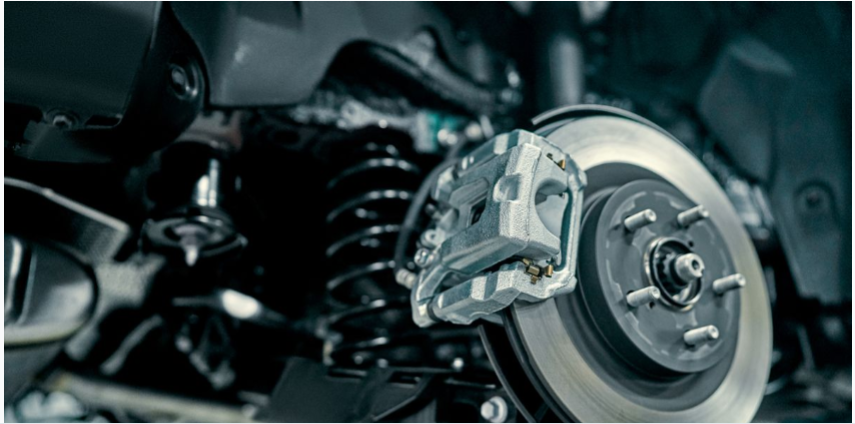
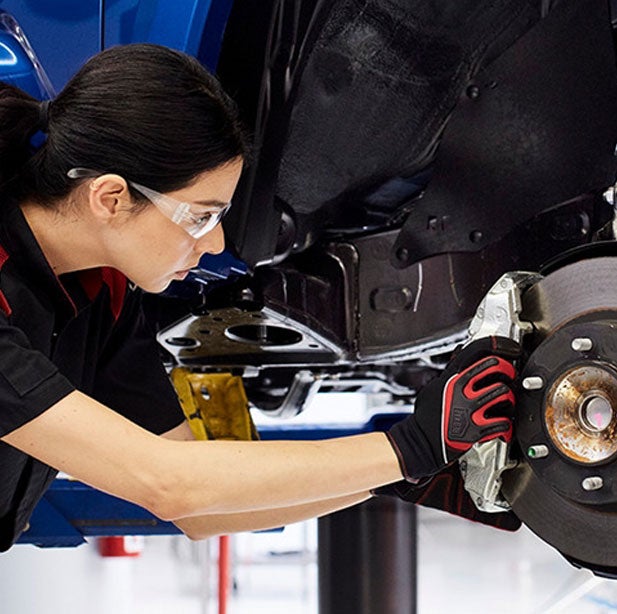
Close-up view of vehicle brake system showing brake rotor, caliper, and suspension components.

Brake Wear 101: Signs Your Toyota Needs Service

Brake wear sounds alarming until you remember that brakes are designed around friction. Every time you press the pedal in your Toyota, components in the braking system convert the vehicle's movement into heat. Some parts inevitably wear as a result. For drivers around Denison with a RAV4, Tundra, Corolla Cross, or another Toyota, recognizing those changes can tell you when it's time to arrange an inspection. Friction Comes with a Cost Brake pads press against the rotors to slow the vehicle. The friction material on those pads gradually wears away, which means brake pads are consumable components rather than parts expected to last for the life of the vehicle. How quickly they wear depends heavily on use. Frequent stop-and-go driving can demand more from the brakes than steady highway travel. Vehicle weight, towing, terrain, driving habits, and previous maintenance also influence wear. A Tundra regularly pulling a trailer may therefore have a very different brake history from a Corolla Cross covering long stretches of highway. This is why mileage alone isn't particularly good at telling you how much brake material remains. Squealing Is Worth Investigating Brake noise can be useful information. Some brake pads use wear indicators designed to create an audible warning as the friction material approaches its replacement point. Persistent squealing during braking can therefore be a reason to have the system inspected. Grinding is more concerning and deserves prompt attention. It can indicate significant component wear or another braking-system problem. Neither sound should be diagnosed exclusively from the driver's seat. Brake noise can have several causes, and an inspection can determine what is happening before parts are replaced unnecessarily. Changes at the Pedal Tell You Something Too Your right foot becomes surprisingly good at learning how a familiar vehicle behaves. If the brake pedal suddenly feels softer, travels farther, pulses during braking, or responds differently than you're accustomed to, have the system inspected. The same applies if the vehicle begins pulling during stops or braking performance seems to have changed. A longer stopping distance can be particularly difficult to judge accurately because road surface, tires, weather, vehicle load, and speed all influence how quickly a vehicle stops. Still, an obvious change in braking response shouldn't be dismissed. The useful principle is simple: if your Toyota starts doing something during braking that it didn't do before, find out why. Inspection Beats an Arbitrary Mileage Number There isn't one replacement interval that fits every set of brake pads. Rather than assuming brakes require replacement at a specific mileage, follow the inspection and maintenance guidance for your particular Toyota. Your owner's manual and maintenance information should be the starting point. If you tow, spend substantial time in heavy traffic, or drive in conditions that place additional demands on the brakes, those habits are worth discussing with your service technician. And don't wait for a scheduled maintenance visit when a warning light appears or braking behavior has already changed. The calendar doesn't know what the pedal is doing. Parts Need to Match the Vehicle When brake components do require replacement, fit and specification are important. Genuine Toyota brake components are designed for specific Toyota applications and provide an original-equipment option for owners who want replacement parts engineered around their vehicle. Brake service itself should also look beyond whichever component appears worn first. Pads, rotors, fluid, calipers, and related hardware operate together, and a technician can inspect the system to determine what needs attention. That approach is more useful than assuming every squeak means new pads or every vibration means new rotors. Brakes Aren’t the Place for Guesswork Platinum Toyota of Texoma near Denison can help Toyota owners with brake inspections, routine maintenance, Genuine Toyota parts, and other dealership service. If your brakes have started behaving differently, schedule an inspection rather than waiting for the symptoms to become more pronounced.

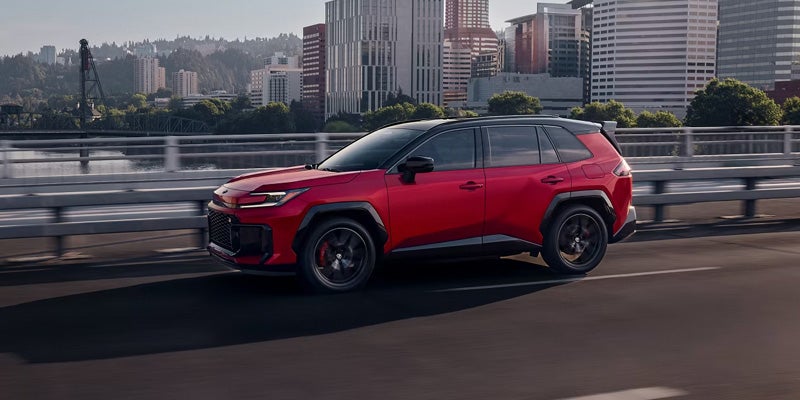
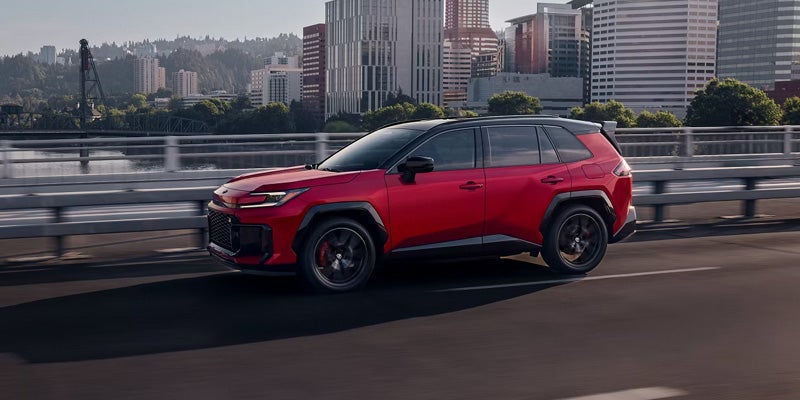
Red Toyota RAV4 SUV driving across a city bridge with buildings in the background.

Why Used Toyota Hybrids Are a Smart Buy in 2026

If you plan to upgrade your daily commute in 2026, used Toyota hybrids warrant a serious look. Drivers wanting to stretch their budgets or secure a dependable, fuel-efficient ride will find immense value in the pre-owned hybrid market. The team at Platinum Toyota of Texoma in Denison, TX, invites you to discover how these innovative vehicles can elevate your driving experience. Reach out to our knowledgeable staff today to find the perfect fit for your lifestyle. What Makes Used Toyota Hybrids Worth Considering Toyota has refined its hybrid technology over decades. This extensive engineering ensures many used models deliver excellent performance well into their second or third ownership. Engineers designed the long-lasting powertrains and robust hybrid battery systems to hold up remarkably well with proper maintenance. Choosing a pre-owned Toyota hybrid means you get proven road technology rather than experimental designs. This reliability provides significant peace of mind when making an important vehicle purchase. Many newer models even feature popular tech like Apple CarPlay© and Android Auto© to keep you connected on the go. Lower Cost of Ownership Over Time Long-term savings provide a compelling reason to purchase a used Toyota hybrid in 2026. These vehicles conserve fuel by seamlessly alternating between the electric motor and the gasoline engine based on driving conditions. Over months of regular commuting, these fuel savings add up substantially. Toyota hybrids also experience lower brake wear thanks to regenerative braking. This translates to fewer service center visits and more money kept in your pocket. Factoring in the lower purchase cost of a pre-owned model compared to a new one makes the overall cost of ownership highly attractive. Strong Resale Value and Proven Track Record Toyota hybrids consistently retain their value better than most competitors in their class. The brand's legendary durability keeps resale values strong for years to come. Popular models like the RAV4 Hybrid, featuring an 8" touchscreen, and the Camry Hybrid, equipped with a highly efficient 2.5 L engine, boast incredibly loyal followings. This high demand means quality used inventory moves quickly. Buyers consistently return to the Toyota brand because these vehicles deliver true real-world satisfaction. What to Look for When Shopping Pre-Owned Since every used vehicle differs, performing due diligence remains crucial. When shopping, always review the vehicle history report, request past service records, and secure an inspection from a trusted technician. Pay close attention to the hybrid battery condition, as it serves as the heart of the system. Certified pre-owned programs offer additional reassurance. These options typically include extended coverage and a rigorous inspection process to ensure optimal performance. Why Now Is a Good Time to Buy Current market conditions in 2026 make pre-owned hybrids highly accessible. As drivers trade in older vehicles for newer models, high-quality used options flood the market. Buyers now enjoy more choices and better opportunities to find the ideal vehicle. The combination of robust supply, exceptional long-term savings, and proven reliability points to used Toyota hybrids as a highly intelligent investment. Visit Platinum Toyota of Texoma The dedicated team at Platinum Toyota of Texoma is ready to assist you. We proudly serve drivers throughout Denison, TX, and the surrounding communities. Our staff will help you locate a used Toyota hybrid that perfectly matches your daily needs. Stop by our dealership or browse our online inventory at platinumtoyota.com to take the next step toward your upgraded ride.

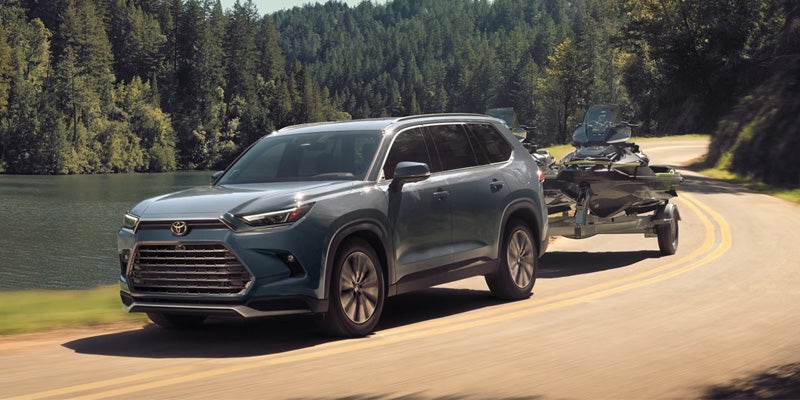
Gray Toyota Grand Highlander SUV towing a personal watercraft trailer on a forest-lined road.

2026 Toyota Grand Highlander vs. 2026 Highlander: Which 3-Row SUV Fits Your Family?

Finding the ideal family vehicle often requires comparing the best options available. If you need a capable three-row Toyota SUV, you have two strong contenders: the 2026 Toyota Grand Highlander and the 2026 Highlander. Both provide exceptional comfort and reliability for daily commuting and weekend adventures. Understanding their differences helps you make a confident decision before reaching out to Platinum Toyota in Denison, TX for a test drive. What Sets the 2026 Toyota Grand Highlander Apart A 2026 Toyota Grand Highlander vs. 2026 Highlander comparison naturally starts with size. The Grand Highlander measures 201.4" in length and offers a significantly larger cabin. Passengers enjoy more legroom in the third row, and you gain extra cargo space for hauling gear on long road trips. The Grand Highlander also provides powerful engine upgrades. Buyers can choose a standard 2.4-L turbocharged four-cylinder engine or select the HYBRID MAX powertrain. This advanced setup pairs a 2.4-L turbo engine with electric motors to deliver robust acceleration. Families needing generous interior space and strong performance will appreciate everything the Grand Highlander offers. What the 2026 Highlander Brings to the Table The 2026 Highlander maintains its status as a top choice by delivering a well-balanced mix of technology and practicality. Its slightly smaller footprint makes navigating tight parking spaces and suburban driveways much easier. Toyota offers the Highlander with standard gas and hybrid powertrains, giving drivers flexibility for fuel efficiency. Most trim levels come equipped with a large touchscreen display, Toyota Safety Sense©, wireless Apple CarPlay©, and Android Auto©. Available upgrades include a panoramic moonroof and heated front seats. The 2026 Highlander perfectly suits families wanting a capable three-row SUV without the larger exterior dimensions. Comparing Cargo Space and Interior Features The Grand Highlander clearly wins in total interior volume. Third-row passengers receive noticeably more legroom, making it much more comfortable for adults and older children. Both models feature a modern cabin design packed with high-quality materials and intuitive technology. The Grand Highlander delivers a slightly more premium feel in upper trims, but the standard Highlander provides ample comfort for daily family use. Which One Is the Right Fit for Your Family? Your final choice depends on your daily driving habits. If you need maximum interior space, high towing capacity, and a potent hybrid setup, you should choose the Grand Highlander. If you prefer a more compact SUV that excels in everyday usability, the Highlander makes an excellent choice. Both options offer exceptional reliability and include complimentary maintenance via ToyotaCare©. Find Your Next SUV at Platinum Toyota Comparing the 2026 Toyota Grand Highlander vs. 2026 Highlander in person gives you the best perspective. Our knowledgeable team at Platinum Toyota in Denison, TX stands ready to answer your questions and help you explore both models. Stop by the dealership or browse our digital showroom today to find the perfect three-row SUV for your lifestyle.

Automotive technician inspecting a vehicle brake assembly during service.

Toyota Service Schedule 2026: What Drivers Should Prioritize

Keeping up with routine maintenance is one of the best things you can do for your vehicle. If you're driving a 2026 Toyota, understanding the Toyota service schedule 2026 helps you stay ahead of potential issues and protect your investment for the long haul. Whether you're commuting daily or heading out on weekend adventures around Denison, Texas, sticking to a consistent service routine makes a real difference in how your vehicle performs—and how long it lasts. Oil Changes and Fluid Checks The Toyota service schedule 2026 starts with one of the most fundamental tasks—regular oil changes. Depending on whether your Toyota uses conventional or synthetic oil, intervals can vary, but checking your owner's manual is always the best starting point. In general, 10,000 miles or 12 months is the right time to get it done, but if you drive in extreme weather and terrains, you’ll want to cut those numbers in half. Fresh oil keeps your engine running smoothly and helps prevent unnecessary wear. Beyond oil, don't overlook other essential fluids like coolant, brake fluid, and transmission fluid. These play a critical role in keeping your vehicle's systems functioning properly, especially during temperature extremes. Tire Rotation and Brake Inspection Tires and brakes are two of the most safety-critical components on any vehicle. As part of the Toyota service schedule 2026, tire rotations should happen regularly to ensure even tread wear across all four tires. Uneven wear can affect handling, overall ride quality, and fuel efficiency—a hot spot for everyone. more And of course, brake inspections are equally important. This is your first safety system, and your most crucial. Pads, rotors, and brake lines should all be evaluated at scheduled intervals. If you notice squealing, sponginess, or grinding, get your Toyota looked at as soon as possible. Catching early signs of brake wear can prevent more costly repairs down the road and keep you safe on the highway. Multi-Point Inspection and Filter Replacements A comprehensive multi-point inspection is a smart way to catch small problems before they grow. During this type of service visit, trained technicians review key components throughout the vehicle—from the battery and belts to lights and hoses. Filter replacements are also a priority in the Toyota service schedule 2026. Engine air filters and cabin air filters should be checked and replaced as needed. A clean engine air filter supports better performance, while a fresh cabin air filter keeps the air inside your vehicle clean and comfortable. ToyotaCare and Scheduled Maintenance Benefits One advantage of owning a new Toyota is ToyotaCare, a complimentary maintenance plan that covers initial normal factory scheduled service and 24-hour Roadside Assistance. This program is designed to give new Toyota owners peace of mind right from the start. Taking advantage of ToyotaCare means you can follow the Toyota service schedule 2026 without the added stress of unexpected service costs during your first ownership period. It is a benefit worth using fully. Staying on Track with Your Service Appointments Consistency is key when it comes to vehicle maintenance. Setting reminders and keeping records of completed services helps you stay organized and ensures nothing gets overlooked. Many Toyota dealerships offer online scheduling tools that make it easy to book appointments at a time that works for you. Drivers in Denison, Texas have access to service professionals who are trained specifically on Toyota vehicles. That expertise matters when it comes to following the Toyota service schedule 2026 with precision and care. Visit Us for Your 2026 Toyota Service Needs If your Toyota is due for routine maintenance, now is a great time to schedule an appointment. Staying current with the Toyota service schedule 2026 protects your vehicle's performance, reliability, and resale value. Our team at Platinum Toyota of Texoma is here to help you every step of the way—from oil changes to full inspections—so you can drive comfortably and confidently all year long.

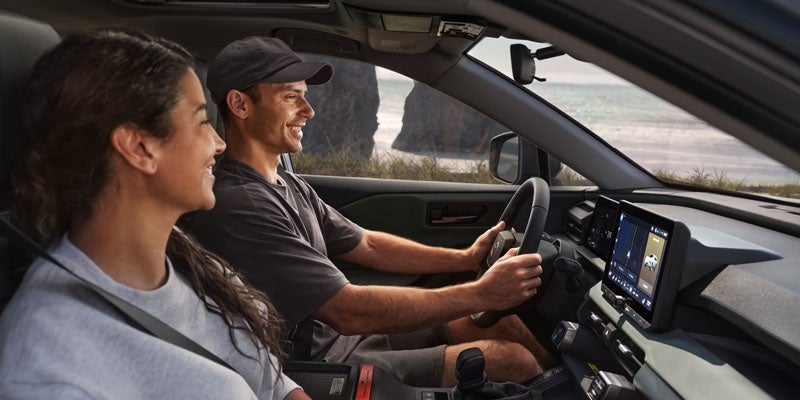
Passengers enjoying a drive inside a modern Toyota vehicle with touchscreen technology.

Toyota Safety Sense™ 3.0 Explained: What's New for 2026 Models

If you've been shopping for a new Toyota around Denison, Texas, you've definitely come across the term Toyota Safety Sense ™ 3.0. It's one of the most talked-about standard safety suites in the industry, and for good reason. The 2026 model year brings meaningful updates to this system that are worth understanding before you make your next vehicle decision. What Is Toyota Safety Sense™ 3.0? Toyota Safety Sense™ 3.0 is Toyota's bundled suite of active safety and driver assistance technologies that comes standard on most new Toyota models. The 3.0 version builds on earlier generations with an upgraded forward-facing camera, an improved radar sensor with a longer and wider field of view, and enhanced detection capabilities. Certain vehicles also support Over-the-Air (OTA) software updates for future improvements.   At its core, Toyota Safety Sense™ 3.0 is designed to help drivers avoid or reduce the severity of collisions. It uses a combination of cameras and radar sensors to monitor the road ahead and alert or assist the driver when a potential hazard is detected. Key Features in the Updated System Toyota Safety Sense™ 3.0 introduces several enhancements that make the system more capable in real-world driving conditions. The Pre-Collision System (PCS) now detects motorcyclists in certain circumstances and offers enhanced intersection support, including improved detection of oncoming vehicles in more than one lane while turning and vehicles approaching from a lateral direction. This is a notable upgrade for everyday driving situations where hazards aren't always coming from directly ahead. more Lane Departure Alert now features enhanced lane recognition, including the ability to detect certain 3-dimensional objects such as guard rails. Lane Tracing Assist also adds steering support to help provide more space when passing objects in adjacent lanes under certain conditions. Automatic High Beams (AHB) give you the visibility you want without blinding other drivers. Dynamic Radar Cruise Control (DRCC) now offers 4 cruise distance settings and enhanced vehicle detection to help provide smoother, more natural speed adjustments. How It Compares to Previous Versions Earlier versions of Toyota Safety Sense™ were already strong performers, but the 3.0 update adds several important enhancements. Toyota Safety Sense™ 3.0 expands Pre-Collision System detection by adding motorcyclist detection in certain circumstances and improving intersection support for additional turning scenarios. These enhancements expand the range of driving situations in which the system can provide driver assistance. The lane support features also received attention. Toyota Safety Sense™ 3.0 enhances lane support with improved lane recognition, including the ability to identify certain three-dimensional roadside objects such as guard rails. These refinements further enhance Toyota's active safety technologies and driver assistance systems. Which 2026 Toyota Models Include It? Toyota Safety Sense™ 3.0 is standard on select 2026 Toyota models. The 2026 Camry, Tacoma, Corolla Cross, and 4Runner are among the vehicles that come equipped with this updated safety suite. On models where Toyota Safety Sense™ 3.0 is standard, drivers receive these features without adding an optional safety package. This approach makes Toyota's latest driver assistance technologies available across a wide range of select Toyota vehicles. Whether you're drawn to a practical sedan, a rugged truck, or a versatile SUV, you're likely to find this system included. Explore Toyota Safety Sense™ 3.0 at Platinum Toyota of Texoma Toyota Safety Sense™ 3.0 represents a thoughtful evolution of an already capable safety system. With enhanced obstacle detection, refined lane support, and improved Dynamic Radar Cruise Control, many 2026 Toyota models offer additional driver assistance technologies designed to support everyday driving. Visit Platinum Toyota of Texoma in Denison, TX, to explore Toyota models equipped with Toyota Safety Sense™ 3.0. Our team can explain how each driver assistance feature works and help you compare vehicles to find the Toyota that best fits your driving needs. Schedule a test drive today and experience Toyota's advanced safety technologies firsthand.

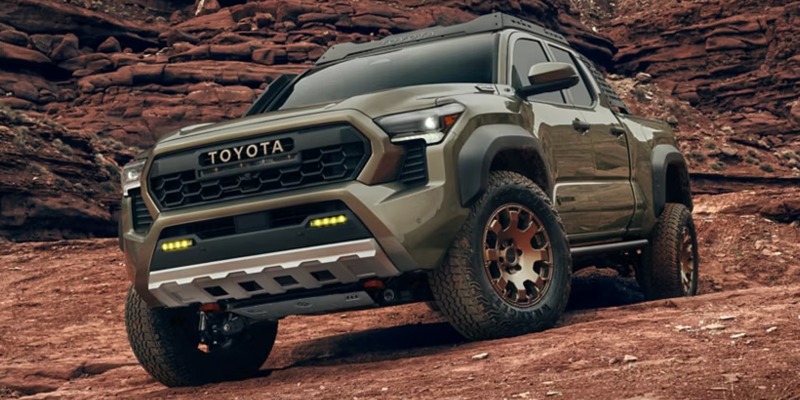
Toyota Tacoma pickup truck navigating rocky off-road terrain in a desert landscape.

How to Choose the Right Used Toyota Truck: Tacoma vs. Tundra for 2026 Buyers

When Denison, Texas truck drivers are ready to buy a used Toyota truck, the debate often comes down to the Tacoma or the Tundra. Which one makes more sense for your lifestyle, though? It’s a common question buyers face, and the answer really comes down to how you plan to use the truck. Whether you're hauling equipment, heading off-road, or just need a reliable daily driver, understanding what each model offers can help. What Makes the Tundra Stand Out When it comes to raw capability, the 2026 Toyota Tundra is built to impress. The i-FORCE twin-turbo V6 engine delivers 389 hp and 479 lbs.-ft. of torque, while the i-FORCE MAX hybrid powertrain goes above and beyond, delivering 437 hp and 583 lbs.-ft. of torque. That kind of output translates to a maximum towing capacity of 12,000 lbs.—ideal for those who regularly haul trailers, boats, or heavy equipment. The Tundra also comes with a composite bed available in 3 lengths: 5.5-ft., 6.5-ft., and 8.1-ft., along with a maximum payload of 1,850 lbs. It's a full-size truck designed for serious work, and that shows in everything from its multi-link rear suspension to its innovative 14” touchscreen and premium interior that caters to the ultimate workhorse—you. more How the Tacoma Fits Into the Picture The midsize Toyota Tacoma has a reputation for durability and off-road versatility. It's more maneuverable than the Tundra and typically comes at a lower price point on the used market, which makes it appealing to first-time truck buyers or those with lighter hauling needs of up to 6,500 lbs. The Tacoma shines in situations where agility matters—think weekend trail runs, urban commutes, or light payload work. Its smaller footprint makes parking and navigation easier, and its long-running reliability means used examples tend to hold up well over time. If you're not regularly towing heavy loads, the Tacoma may be all the truck you actually need. When comparing how to choose the right used Toyota truck between the Tacoma and Tundra, think honestly about your hauling and towing needs before prioritizing features or trim levels. Key Differences to Consider Before You Buy Choosing between these two trucks comes down to a few practical questions. How much do you plan to tow? The Tundra's higher towing and payload ratings make it the clear choice for heavier workloads. How often will you go off-road? Both trucks offer capable off-road configurations, but the Tundra's TRD Pro trim, armed with FOX® shocks, a 1.1” front lift, and all-terrain tires, to name but a few enhancements, takes things to another level. Cabin size is another factor. The Tundra's available CrewMax cab offers more rear legroom, which matters if you're regularly carrying passengers. The Tacoma's cab options are comfortable but more compact by comparison. Budget plays a role too. On the used market, a comparable Tacoma will generally cost less than a similarly equipped Tundra, so if price is a significant factor, the Tacoma gives you more flexibility. Making the Right Call for Your Needs Knowing how to choose the right used Toyota truck really comes down to matching the vehicle to your day-to-day demands. If you need maximum towing power, a spacious cab, and a feature-rich interior, a used Tundra is worth the investment. If you want a capable, nimble, and affordable truck for lighter use, the Tacoma delivers real value. Both models have earned strong reputations for reliability, and either one can serve you well for years to come. Take time to test drive both, review the specifications carefully, and consider how each truck fits your actual routine - not just your wish list. For shoppers throughout Denison, TX, comparing these two Toyota trucks side by side is the best way to walk away confident in your decision. At Platinum Toyota of Texoma, we’re excited to walk through your options with you and send you home in the truck that will help you make the most of every moment behind the wheel.

Red Toyota SUV driving on a city bridge with an urban skyline in the background.

2026 Toyota RAV4 Hybrid vs. 2026 Honda CR-V Hybrid: A Side-by-Side Comparison

Hybrid SUVs have become remarkably good at everything. They sip fuel, carry an entire family's weekend plans, and quietly go about their business with very little drama. The downside? They also start to look suspiciously similar on a spec sheet. The 2026 Toyota RAV4 Hybrid and 2026 Honda CR-V Hybrid are a perfect example. They're aimed at the same buyer, promise nearly identical efficiency, and occupy almost exactly the same footprint. Dig a little deeper, though, and their personalities begin to separate. Power, Efficiency, and Everyday Driving Toyota gives the RAV4 Hybrid a noticeable performance advantage. Its 2.5L 4-cylinder engine and dual electric motors produce a combined 219 hp, with electronic on-demand AWD standard across the lineup. EPA estimates reach up to 39 mpg city and 37 mpg highway, allowing drivers to spend less time at the pump without sacrificing capability. The Honda CR-V Hybrid counters with a 2.0L 4-cylinder hybrid system producing 204 hp. It's smooth, refined, and impressively efficient, earning EPA estimates of up to 43 mpg city and 36 mpg highway on FWD models, while AWD versions achieve up to 40 mpg city and 34 mpg highway. The CR-V Hybrid squeezes out slightly better city fuel economy in certain configurations, but the RAV4 Hybrid delivers stronger acceleration and standard AWD without asking buyers to move up the trim ladder. more Capability Beyond the Commute Here's where the differences become more practical. The RAV4 Hybrid is rated to tow up to 3,500 lbs. properly equipped, enough for a pair of personal watercraft, a lightweight utility trailer, or camping equipment. It's not a tow rig, but it's capable of handling recreational duties that many compact SUVs simply aren't designed for. The CR-V Hybrid isn't rated for towing in North America, making it more focused on passenger comfort and fuel efficiency than weekend utility. For many buyers, that distinction alone answers the comparison. Cargo Space: Bigger Isn't Always Better Cargo numbers are closer than you might expect. The RAV4 Hybrid provides up to 69.8 cu. ft. of cargo space with the rear seats folded, along with a wide, square cargo opening that's well suited for luggage, coolers, and bulky gear. The CR-V Hybrid offers a slight advantage in overall volume, expanding to approximately 76.5 cu. ft. with the rear seats folded. It also features an impressively low load floor that makes loading heavier items easier. If maximum cargo capacity is the priority, the CR-V takes a narrow win. If flexibility and utility matter just as much, the RAV4’s layout remains exceptionally practical. Technology That Works Instead of Showing Off Neither SUV tries to overwhelm you with gimmicks. The RAV4 Hybrid includes Toyota Safety Sense™ as standard, bringing together Pre-Collision System with Pedestrian Detection, Lane Departure Alert, Lane Tracing Assist, Dynamic Radar Cruise Control, and Automatic High Beams. Toyota's connected services also allow owners to access available remote functions, vehicle status information, and roadside assistance through their smartphone. The CR-V answers with Honda Sensing®, offering its own suite of advanced driver-assistance technologies and an intuitive infotainment system that's easy to learn. Both SUVs support modern smartphone integration and deliver the everyday technology most buyers use. It's less of a technology arms race and more of a difference in execution. Which Hybrid SUV Fits Texoma Drivers? The Honda CR-V Hybrid is difficult to criticize. It's comfortable, spacious, economical, and thoughtfully designed. The Toyota RAV4 Hybrid simply asks a little more of itself. It produces more horsepower, comes standard with AWD, can tow when needed, and still returns excellent fuel economy. That broader range of capability makes it feel ready for more than just the daily commute, whether you're heading across Denison for work or escaping Texoma for the weekend. Drivers comparing compact hybrid SUVs should explore our available Toyota Hybrid SUV inventory to experience the differences firsthand. Experience the Difference at Platinum Toyota of Texoma Specifications tell part of the story, but the real difference becomes clear from behind the wheel. Visit us in Denison, TX, to compare the 2026 Toyota RAV4 Hybrid, explore available trims, and discover why they’re one of the most versatile hybrid SUVs on the road today. Schedule a test drive online today!

Contact Us

Fill out this form below and we'll contact you shortly
*Required Fields